A small hose issue can cascade into major transmission or torque converter damage — regular inspection is one of the highest-return maintenance tasks.
Hydraulic hoses are the unsung heroes of heavy equipment. They carry pressurized fluid that powers everything from boom movements and steering to the critical functions in your transmission and torque converter. At FP Smith Parts & Equipment, we’ve seen countless machines sidelined by what operators initially thought were complex transmission or converter failures—only to discover that degraded or leaking hydraulic hoses were the root cause.
Regular hose inspections and timely replacements are among the most cost-effective ways to prevent expensive downtime, fluid contamination, and cascading damage to high-value components. Here’s a detailed look at why this matters and how to stay ahead of problems.
The Critical Role of Hydraulic Hoses in Your Equipment
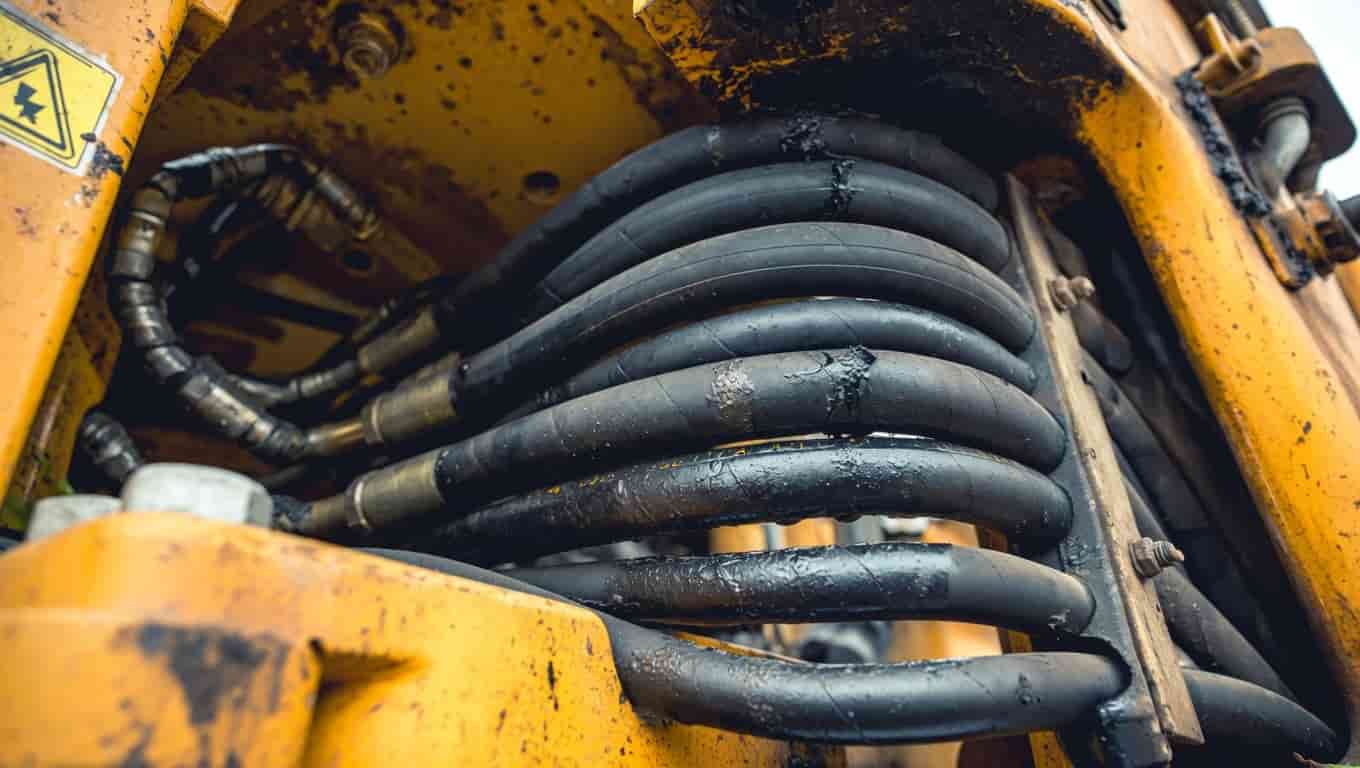
Hydraulic hoses act as flexible, high-pressure arteries in your machine’s system. They transmit hydraulic fluid between the pump, valves, cylinders, motors, and components like the transmission and torque converter. In heavy equipment (Komatsu, Caterpillar, John Deere, Dressta, and more), these hoses endure extreme conditions: high pressure (often 3,000+ PSI), vibration, heat, abrasion, flexing, and exposure to contaminants.
When hoses are in good condition, the system maintains consistent pressure and flow. When they degrade, even small issues like pinhole leaks, internal restrictions, or weakened reinforcement layers can drop system pressure, introduce air or contaminants, and starve critical components of the fluid they need to operate properly.
How Failing Hoses Lead to Transmission, Torque Converter, and Hydraulic Pressure Problems
Low or unstable hydraulic pressure is a common culprit behind symptoms that mimic major component failures. Here’s how hoses contribute:
- Pressure Loss and Inefficient Operation: Leaks or internal degradation reduce fluid volume and pressure. This leads to sluggish performance, delayed engagement, or weak power delivery. In transmissions and torque converters, insufficient charge pressure can cause slipping, overheating, shuddering, or failure to lock up properly.
- Contamination and Cavitation: A leaking or cracked hose allows dirt, moisture, or air into the system. Contaminants circulate and damage pumps, valves, seals, and clutch packs. Cavitation (vapor bubbles collapsing in low-pressure areas) from restricted flow erodes internal surfaces, accelerating wear on torque converters and hydrostatic transmissions.
- Overheating: Restricted flow or low fluid levels make the system work harder. Heat builds up, thinning the fluid, breaking down seals, and causing torque converter clutch slippage or transmission overheating. Many “converter failures” trace back to chronic low pressure or aeration from hose issues.
- Cascading Damage: A minor hose leak can lead to low fluid levels, pump strain, valve sticking, or cylinder drift. In severe cases, sudden bursts cause immediate pressure loss, fluid sprays (safety hazards and environmental fines), and secondary damage to expensive parts like pumps or entire transmissions.
Real-World Example: An excavator with slow boom response and transmission slipping might have a chafed hose on the pressure line feeding the system. Replacing the hose often restores full performance without a full transmission rebuild.
Signs It’s Time to Inspect (or Replace) Your Hydraulic Hoses
Don’t wait for a failure. Perform visual and hands-on checks regularly—daily for high-use machines, weekly or at every service interval otherwise.
Visual and Tactile Warning Signs:
- Cracks, crazing, or brittleness (especially from heat/UV/age).
- Abrasions, shiny spots, flattening, or exposed wire braid/reinforcement.
- Bulges, blisters, or soft/spongy sections.
- Leaks, wet spots, oil residue, or crusty buildup at fittings or along the hose.
- Kinks, twists, tight bends, or improper routing/rubbing against frames or moving parts.
- Hardening, discoloration, or loss of flexibility.
- Corrosion or looseness at fittings.
Operational Symptoms:
- Sluggish or jerky movements.
- Reduced power or lifting capacity.
- Unusual noises (hissing, whining, chattering).
- Overheating, burning fluid smell, or low fluid levels.
- Transmission-related issues: slipping, delayed shifts, shudder, or failure to engage.
Pro Tip: Use a piece of cardboard (never your hand) to check for pinhole leaks under pressure. Track hose age—many experts recommend proactive replacement every 1–3 years or per manufacturer hours, even if they look okay.
Best Practices for Hydraulic Hose Maintenance
- Inspect Routinely: Focus on high-movement areas (booms, buckets, articulation joints) and near heat sources or sharp edges.
- Route Properly: Maintain minimum bend radii, use clamps/guards/sleeves, and avoid twisting or contact with moving parts.
- Use Quality Parts: Match OEM specs for pressure rating, size, and compatibility. Undersized or low-quality hoses fail faster.
- Maintain Fluid: Keep hydraulic fluid clean, at proper levels, and changed on schedule. Contaminated fluid destroys hoses from the inside.
- Pressure Test and Document: Log inspections and replacements for your fleet.
- Address Root Causes: Fix underlying issues like misrouting, pressure spikes, or vibration that damage hoses repeatedly.
Why FP Smith Parts & Equipment Is Your Go-To Source
With decades of expertise and one of the largest independent inventories of new OEM surplus, quality used, and reconditioned parts for Komatsu, Caterpillar, John Deere, International Harvester, Cummins, and more, we stock or can quickly source the right hydraulic hoses, fittings, and related components for your machine.
We’re not just brokers—we maintain physical stock and provide the expertise to get the right part the first time. Same-day shipping (orders before 3 PM), expedited options, and support for hard-to-find items help minimize your downtime. Whether it’s a single hose or a full system refresh as part of your rebuild plans, we’re here to help keep your equipment running strong.
Take Action Today
Contact Us for Hoses, Fittings & Advice
(800) 558-7228
Press 1 for Sales | Local: (707) 864-1122
3190 Ramsey Road, Fairfield, CA 94534
A quick hose inspection could prevent a multi-thousand-dollar transmission or torque converter repair. Don’t let a small hose issue become a big problem. Browse our selection, contact our parts specialists, or send us your machine details for fast recommendations.
Stay proactive. Stay productive.